Updated July 2026 — for licensed medical cannabis cultivators and exporters operating out of Thailand
The medical cannabis export landscape out of Thailand is at a genuine inflection point. Domestic law has tightened considerably around recreational access, but the commercial export pathway for properly licensed, GACP-certified operators remains open — and demand from Europe and Australia for high-quality, medical-grade Thai supply keeps climbing.
Global Medical Cannabis Market Value in 2026
Market research firms don’t agree on a single number — the estimates shift depending on how each firm defines “medical cannabis” and which product categories it includes — but the growth trajectory is consistent across every source: double-digit annual growth stretching well into the early 2030s.
~$18B–$39B USD
Global medical cannabis market value in 2026 (range across major research firms)
15–23%
Average projected CAGR through 2033–2034
~$1B USD
Germany’s medical cannabis market in 2025 — up over 150% year-on-year
Germany has overtaken every other market outside North America to become the largest medical cannabis market in the world by revenue. The UK and Poland are close behind — Poland now has the largest registered patient base in Europe. The common thread across the fastest-growing markets is telemedicine: wherever doctors can prescribe remotely, patient growth accelerates. Markets still tied to in-person specialist referrals are growing far more slowly.
Thailand’s New Export Regulations — April 2026
In April 2026, two ministerial regulations were published in the Royal Gazette that fundamentally reshape how cannabis production, sale, and export are licensed in Thailand:
- Ministerial Regulation on Permission to Produce, Import, Export, Sell or Possess Category 5 Narcotics — Cannabis or Hemp Plant Extracts, B.E. 2569, published March 26, 2026, effective April 26, 2026
- Ministerial Regulation on the Permission for Study, Research, or Export of Controlled Herbs, or Sale, or Processing of Controlled Herbs for Commercial Purposes (No. 2), B.E. 2569, published and effective April 30, 2026
Here’s what actually matters for exporters:
- Permitted purposes expanded to four categories — medical use, research, industrial use, and official narcotics-suppression activity (the 2021 rule limited extract use to medical purposes only).
- Ownership requirements tightened. Anyone applying to produce medical cannabis extracts must be a Thai juristic person — not a “foreigner” under Thai foreign business law — or a government agency or the Thai Red Cross Society, and must hold a modern medicine or herbal product manufacturing license.
- Old licenses expire December 31, 2026. Licenses issued under the 2020 and 2021 frameworks remain valid only until year-end; every operator must re-qualify under the new 2026 framework after that.
- Cannabis flower has been classified as a “controlled herb” since June 25, 2025, under the Thai Traditional Medicine Knowledge Act — a separate legal track from extracts above 0.2% THC, which remain Category 5 narcotics.
What this means for international buyers: Excluding foreign-owned entities from the extract production track doesn’t mean Thailand’s export door is closing. It means legitimate exporters have to be Thai-majority-owned companies. If you’re sourcing from Thailand — especially on any contract extending past December 31, 2026 — verify your supplier’s ownership structure and license expiry date directly before committing.
Licensed Growers and Exporters Retain Their Legal Standing in Thailand
The overall picture in 2026 is stricter retail rules paired with a still-functioning export channel. Retail dispensary numbers have fallen from a peak of over 18,000 shops in 2024 to roughly 11,000 in early 2026 — but commercial medical export hasn’t seen the same contraction.
Operators who meet the following conditions continue exporting without disruption, and are increasingly better positioned as the field narrows around them:
- Thai-majority-owned juristic persons holding valid cultivation, production, and export licenses
- GACP certification (Good Agricultural and Collection Practices) from the Department of Thai Traditional and Alternative Medicine (DTAM) or its authorized bodies
- Full batch-to-shipment traceability, backed by independent Certificates of Analysis (COA) on every lot
- An active plan to re-qualify under the 2026 licensing framework ahead of the December 2026 deadline
As of February 13, 2026, 217 farms nationwide held GACP certification — up from roughly 149 at the end of 2025 — against more than 11,800 legacy license holders. In other words, fewer than 2% of Thai cannabis operators actually meet export-grade certification standards. That scarcity is exactly why serious international buyers treat a properly documented, verifiable Thai supplier as a genuinely valuable find.
Europe and Global Markets Remain Open to Thai Supply
For exporters who meet the requirements, the main destination markets continuing to accept medical-grade cannabis from Thailand include:
| Destination market | Status |
|---|---|
| Germany | The single largest destination for Thai supply, driven by the scale of its liberalized prescription market since 2024. German importers treat EU-GACP-aligned cultivation as a baseline requirement. |
| Australia | High demand paired with strict scrutiny (TGA/ODC). Thai-origin product holds a meaningful, verifiable share of import data. |
| Other EU markets | Open on a per-license basis, depending on each destination country’s import framework. |
What buyers in these markets consistently look for is reliability, consistent quality, verifiable documentation, and predictable logistics — not just a lower price than competitors out of Colombia, South Africa, Costa Rica, Morocco, or established EU-GMP producers in Canada and Portugal. For Thai exporters, the durable long-term strategy is competing on documentation quality and consistency, not price alone.
Why GACP Is the Single Most Important Credential in Medical Cannabis Export
GACP is DTAM’s mandatory minimum standard for all legal cannabis cultivation in Thailand, and it’s the foundation that lets Thai medical-grade product participate credibly in international supply chains at all. Farms without it are automatically excluded from the legal supply chain — domestic or international.
For exporters specifically targeting Europe, many farms are also working toward EU-GACP alignment on top of Thai GACP, since it’s the standard European importers recognize directly — cutting down on documentation friction and review time once product reaches its destination.
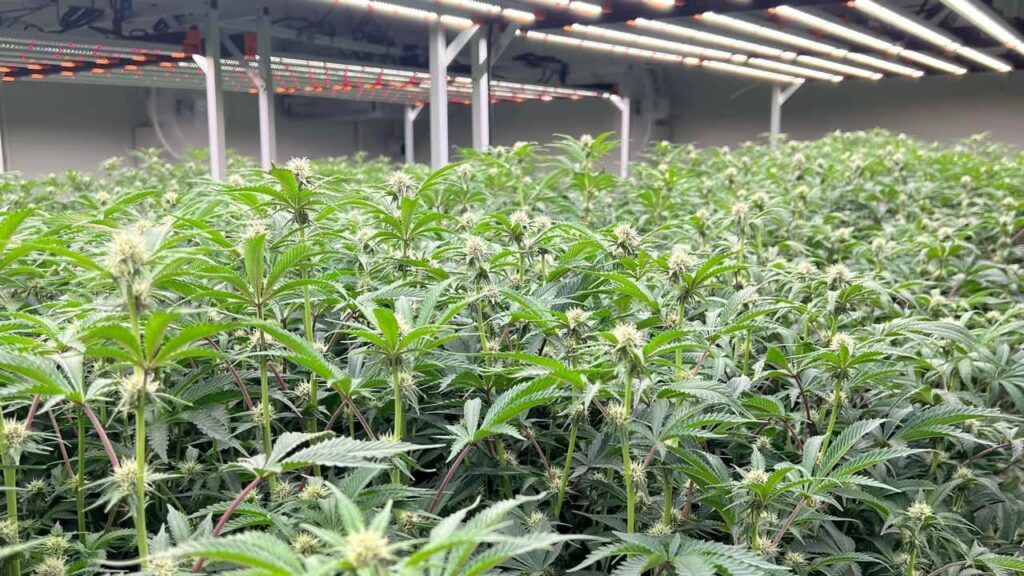
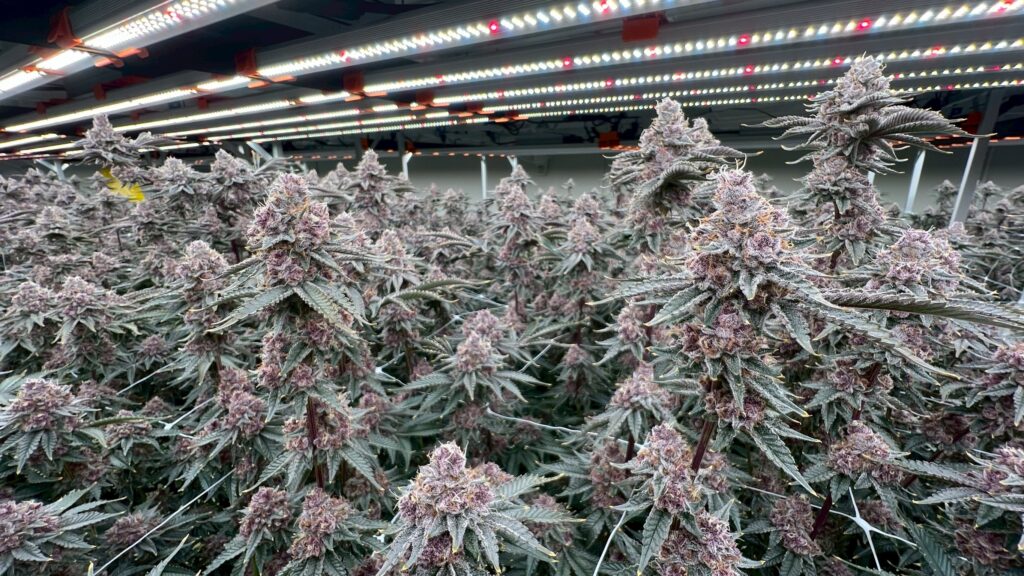
Elephant Cann — Indoor Cultivation, Built to International Standards
✅ GACP-Certified Cultivation
✅ Independently Verified COA
✅ Full Traceability, Every Batch
✅ Export-Ready for EU Markets
We’re looking for serious B2B partners ready to source medical cannabis from a supplier that can actually prove it.
Interested in becoming an export partner?
Let’s talk.
WhatsApp: +66 85-879-2415
Email: [email protected]
This article is for general market and regulatory information only and does not constitute legal advice. Operators should confirm license status and ownership structure with qualified Thai legal counsel before entering into any export transaction. Sourced from the Royal Gazette’s B.E. 2569 ministerial regulations (April 2026) and medical cannabis market research published in the first half of 2026 — last updated July 2026.