
Quality & Compliance — GACP Certified
A closer look at the microbial quality markers that directly affect patient safety, with real COA results from Elephant Cann’s GACP-certified indoor farm.
Experienced B2B buyers of medical cannabis rarely start their supplier evaluation with THC or CBD percentages. The first thing most compliance teams ask for is the full Certificate of Analysis (COA) — and one of the most closely scrutinized sections is Microbial Enumeration, specifically two figures: TAMC and TYMC.
This article explains what these figures measure, why they matter to patient safety, and where Elephant Cann’s own test results currently stand.
What TAMC and TYMC Actually Measure
Total Aerobic Microbial Count (TAMC)
TAMC measures the total population of aerobic bacteria present per gram of dried flower. Every plant carries some naturally occurring microbial life simply by growing in an environment — that’s expected and normal. What matters is the count relative to accepted limits. An elevated TAMC typically points to poor hygienic conditions somewhere along the chain: cultivation, harvest, drying, or curing — and can indicate a higher likelihood of opportunistic pathogens riding along with the general microbial load.
Total Combined Yeasts & Molds Count (TYMC)
TYMC measures total yeast and mould contamination, and it carries particular weight for any cannabis product that may end up being inhaled. Mould spores — especially species in the Aspergillus genus — can reach the lungs directly through inhalation, and the heat from smoking or low-temperature vaporization is not reliably sufficient to sterilize contaminated material.
Why This Number Matters Beyond the Lab Report
The clinical literature is consistent on this point: mould-contaminated cannabis is a documented, real-world risk — particularly for immunocompromised patients such as those undergoing chemotherapy, transplant recipients, or people living with HIV. Published case reports describe invasive pulmonary aspergillosis following inhalation of Aspergillus-contaminated cannabis, and among reported cases, mortality has run as high as roughly half of affected immunocompromised patients.
There’s also evidence that cannabis smoke itself impairs the function of alveolar macrophages — the immune cells that patrol the lungs — which can leave even otherwise healthy users more vulnerable to opportunistic infection. Cases of fungal infection have been documented in immunocompetent users too, though far less frequently than in immunocompromised populations.
The bottom line: TAMC and TYMC aren’t box-ticking exercises. They’re a direct safeguard for the most vulnerable patients in the medical cannabis supply chain. For a B2B buyer, a supplier that tests this consistently and shares results without hesitation is signaling something important about how seriously it takes the patient at the end of that chain.
How the Industry Sets Its Limits
Accepted thresholds for TAMC and TYMC vary by destination market and by intended route of administration. As a general reference point, international medical cannabis markets typically cap TAMC somewhere in the low-thousands-to-tens-of-thousands CFU/g range, and TYMC in the hundreds-to-low-thousands CFU/g range — with inhaled products almost always held to noticeably tighter limits than oral or topical products, since contaminants reach the lungs without passing through the digestive system first.
Testing itself is typically run against internationally recognized pharmacopoeial methods — European Pharmacopoeia (Ph. Eur. 2.6.31) and USP among them — so that results from different producers and labs remain genuinely comparable.
Elephant Cann’s Actual Test Results
Microbial Enumeration — Certificate of Analysis
Tested by an independent, accredited laboratory | Indoor cultivation, GACP-certified (verified by SGS, registered with DTAM)
| Parameter | Test Method | Result |
|---|---|---|
| Total Aerobic Microbial Count (TAMC) | In-house method TNR-ML-TM-10-3 | 1.3 × 10² CFU/g |
| Total Combined Yeasts & Molds Count (TYMC) | Ph. Eur. 2.6.31 | 1.1 × 10² CFU/g |
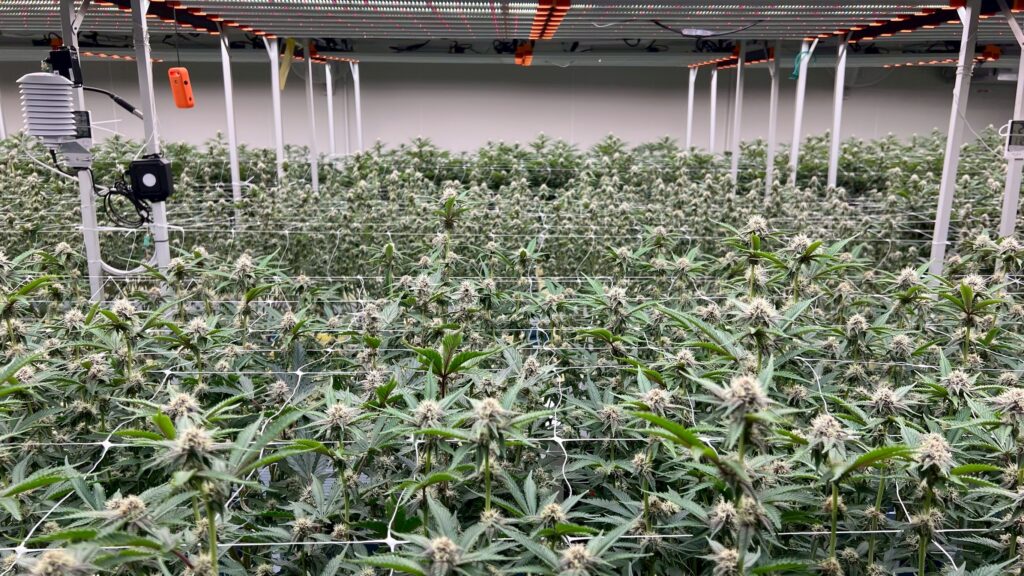
Verified Both figures sit comfortably below typical industry ceilings — a reflection of a controlled indoor growing environment where humidity, temperature, and hygiene are managed at every stage, from cultivation through to packaging.
Every production batch at Elephant Cann is independently lab-tested for a full COA panel — cannabinoid profile, microbial load, heavy metals, pesticide residues, and mycotoxins. Buyers are welcome to request the complete COA for any batch under consideration.
Documentation Over Claims
Elephant Cann works from a simple operating principle: “No Claims. Just Documentation.” We don’t make quality assertions we can’t back up — every batch is verified by independent laboratory COAs, alongside GACP certification checked by SGS and registered with Thailand’s DTAM.
Want the full COA or want to discuss a shipment?
Our team is glad to share complete batch-level COAs before you commit.
WhatsApp : +66 85-879-2415
Email : [email protected]
This article is provided for general informational purposes regarding quality standards in the medical cannabis industry. Accepted microbial thresholds vary by destination-market regulation. Buyers should always verify the specific import requirements of their own jurisdiction before proceeding.
CraftCultivation #CleanRoomFarming #ElephantCann #PharmaStandard #PrecisionGrowing #MedicalCannabisThailand #CannabisWithCare #GreenHealingElephant #ElephantCannCures #SeedToSale #IndoorGrown #CannabisTech #HighPurityCannabis #ElephantCann